

10 Expensive Print Mistakes Marketing Teams Make (And How to Avoid Them)
When a print project goes wrong, it's rarely because of the print itself. Often problems begin much earlier. This could be during planning, briefing, artwork preparation, specification or the buying process. The consequences can be significant and expensive – and easily avoided!
When investment into any type of communication means time, cost and reputation, missing a deadline is likely to lead to unexpected costs and lost revenue. It starts with the basics. From a thorough proof read before artwork is submitted to ensuring brand colours are consistent to brand guidelines are some of the areas which the most expensive to rectify.
At Healeys Printers, we've helped marketing teams, communications teams, agencies and procurement specialists deliver successful print projects for decades.
Along the way, we've seen regularly how many businesses can avoid repeated issues, time and time again. Here are ten of the most common errors and how to avoid them.
Paper is often one of the last decisions made in a project. Unfortunately, selecting stock based purely on price can undermine the effectiveness of the entire campaign.
Paper choice will impact the look, feel, the tactile experience your recipient has and importantly colour reproduction. However you want your message and brand to be delivered, investing in good quality paper stocks will help you improve brand perception and can also help you deliver on a sustainable promise.
How to avoid: it’s not just about price
Choose paper based on project objectives and audience expectations, not simply unit cost. A premium brochure, annual report or exhibition catalogue deserves a stock that supports the intended experience.
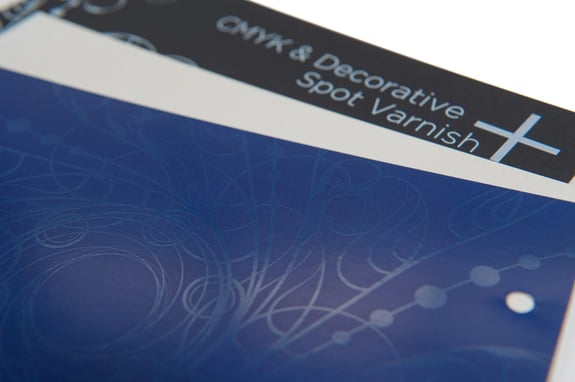
Embossing, foiling, Spot UV and specialist finishing techniques require planning.
When finishing is introduced after artwork has been created, opportunities are often lost and redesign costs can follow.
How to avoid it: plan with your printer from concept stage
Discuss finishing requirements at concept and ideas stage. With many options available to create different effects and experiences for the end recipient, working closely with your printer will help you discover what is possible. The most successful print projects integrate finishing into the creative process from the start, delivering your vision.
One of the most common artwork errors seen. Without sufficient bleed, important elements can appear too close to the trim edge or be cut off entirely. Imagine the inside pages of an important brochure where images or text overlap or are mismatched, leading to critical messages being missed - leaving a poor impression of quality and attention to detail.
How to avoid it: Plan the artwork specification
Always build artwork with appropriate bleed and safe zones. Every printer will be able to supply the correct and preferred artwork specifications when each job is confirmed and most are happy to brief or speak to your artworker, particularly if the project has complex elements. In addition Healeys will provide a 'pre-flight' check once artwork is received and before production starts to prevent costly reprints.
What looks perfect on screen may look very different in print. Did you know most monitors are ‘RGB’ – red, green and blue? All print is in four colours, referred to as ‘CMYK’ (cyan, magenta, yellow and K is black). This means trying to match exact colours to an 'RGB' monitor will not provide an accurate colour reference. Add to this different paper stocks, inks and print processes all influence accurate colour reproduction, it’s where expert help really matters.
How to avoid it: Use professional proofing techniques
Use professional proofing and colour management processes. For colour-critical projects, involve your printer early and request appropriate proofs such as wet proofs where you can see the finished colour in real life. For every company and their brand colour consistency is important and planning in this extra step can make the difference between 'ok' and extraordinary.
Marketing campaigns often work backwards from launch dates. Factoring the time needed for design, artwork to approval before proofing, print production, finishing and delivery all require time. Rush projects usually mean compromise somewhere!
How to avoid it: plan, plan, plan!
Build realistic production schedules and engage your print partner as early as possible. Allowing time for approvals and sign offs is really important, particularly if there are multiple stakeholders with a say in a finished project. If you’re unsure, check with your printer what time you must allow for before you promise stakeholders what you can deliver! Early planning creates more options and often saves money.
Low-resolution images, missing fonts, RGB colour profiles and incorrect file formats can all delay production. Artwork specifications are always available for every type of job and your experienced artworker will be familiar with the terms, even if you may not be. How your project is being printed will impact how a 'ready to print' file will be set up and incorrect specifications may mean artwork will have to be redone, incurring time and cost.
How to avoid it:
Use a structured artwork checklist before submitting files and discuss with your artworker and printer exactly what is required, particularly for complex projects and finishing. If you are unsure of what to ask for, a check in with your print team will ensure your have the right information to brief your artwork in. A few minutes spent checking artwork can prevent days of delay later.
Over-ordering remains surprisingly common. Excess stock ties up budget, storage space and can ultimately become waste. How many do you really need? Will a few extras be welcome? How fast is the print turnaround? Could you order more later if needed?
How to avoid it: Consider your exact requirements – and take advice
Review actual usage data from previous campaigns and consider shorter, more targeted print runs where appropriate. Unless your print is more complex, every job can be quoted based on a ‘run on’ cost – where you can print more if you need to within an agreed period and rate.
Many organisations now have sustainability objectives that extend to print procurement. Leaving environmental considerations until late in the process can limit available options and make retrospective reporting harder to achieve.
How to avoid it: Understand what your project needs to demonstrate
Discuss sustainability goals at the briefing stage including what reporting you might need to provide. Consider FSC® certified papers, recycled stocks, carbon reporting and end-of-life recyclability from the outset. Whilst Scope reporting can be complex, with the right information and request for information from the start of the project, this can be a straightforward part of project management.
Not all printers offer the same expertise, capabilities or quality controls. Choosing solely on price can lead to hidden costs later. Having your expert account team on hand to advise, support and ensure your job goes to plan is worth its weight in... avoiding costly mistakes!
How to avoid it: choose your printer wisely
Look for a print partner that can provide:
- Technical expertise
- Colour management
- Sustainability guidance
- Production innovation
- In-house finishing capabilities
The right partner helps improve outcomes, not just produce print.
Marketing teams often focus on design and messaging while overlooking how the printed piece will actually feel. Yet touch, texture, weight and finishing all influence perception. Part of the role of print is selling a 'feeling' to match the words on paper.
How to avoid it: Considering every point in the customer journey
Asking some simple questions in the early stages will help your printer recommend the right paper stocks and finishes:
- How should this piece feel?
- What impression should it create?
- What should the recipient remember?
Great print engages; it creates an experience, secures attention and is proven to build high levels of trust.
The Cost of Getting It Wrong
Most print mistakes are entirely preventable. The challenge is knowing what to look for before production begins.
That's why we've created a practical guide designed specifically for marketing teams, communications professionals and buyers.
Download: The Ultimate Print Procurement & Briefing Toolkit
Healeys understand good advice and best practice is the foundation of every successful project. We have a range of resources to help everyone buy print brilliantly - and improve the outcomes and delivery every time. In this toolkit you'll find:
- A detailed print planning checklist to plan your best work
- Artwork submission guidance every artworker needs
- Sustainability considerations to help you achieve your goals
- Production timeline templates to plan what is possible
- Expert advice from the Healeys team to perfect your print buying
Expert advice is on hand
Our team of experienced, trusted expert advisors work across a wide range of sectors. From education, fine art, commercial property, healthcare, pharmaceuticals to working alongside designers and creatives to bring their visions to life.
To find out what is possible for your business, request a call back today.